

If you’re thinking, “Can you get veneers with missing teeth?”, you’re probably trying to fix a couple of things at the same time. You want the gap sorted out, and your smile looking a bit better. That’s doable, but the order you do things really matters.
The unvarnished truth: Can you address missing teeth with Veneers?
The answer is no, you can’t use veneers for missing teeth because veneers themselves don’t replace missing teeth. Dental veneers stick to the front of an existing tooth surface or to a restoration that acts like a natural tooth. In most cases, you sort out the missing tooth first (implant, bridge, or partial), then use veneers to fine-tune the shape and shade. The thing is, veneers don’t fill gaps; they are a sort of “front cover” for a tooth. And if there is no tooth there, there is nothing to cover.
What dental veneers do to existing teeth, and what they’re meant to fix.
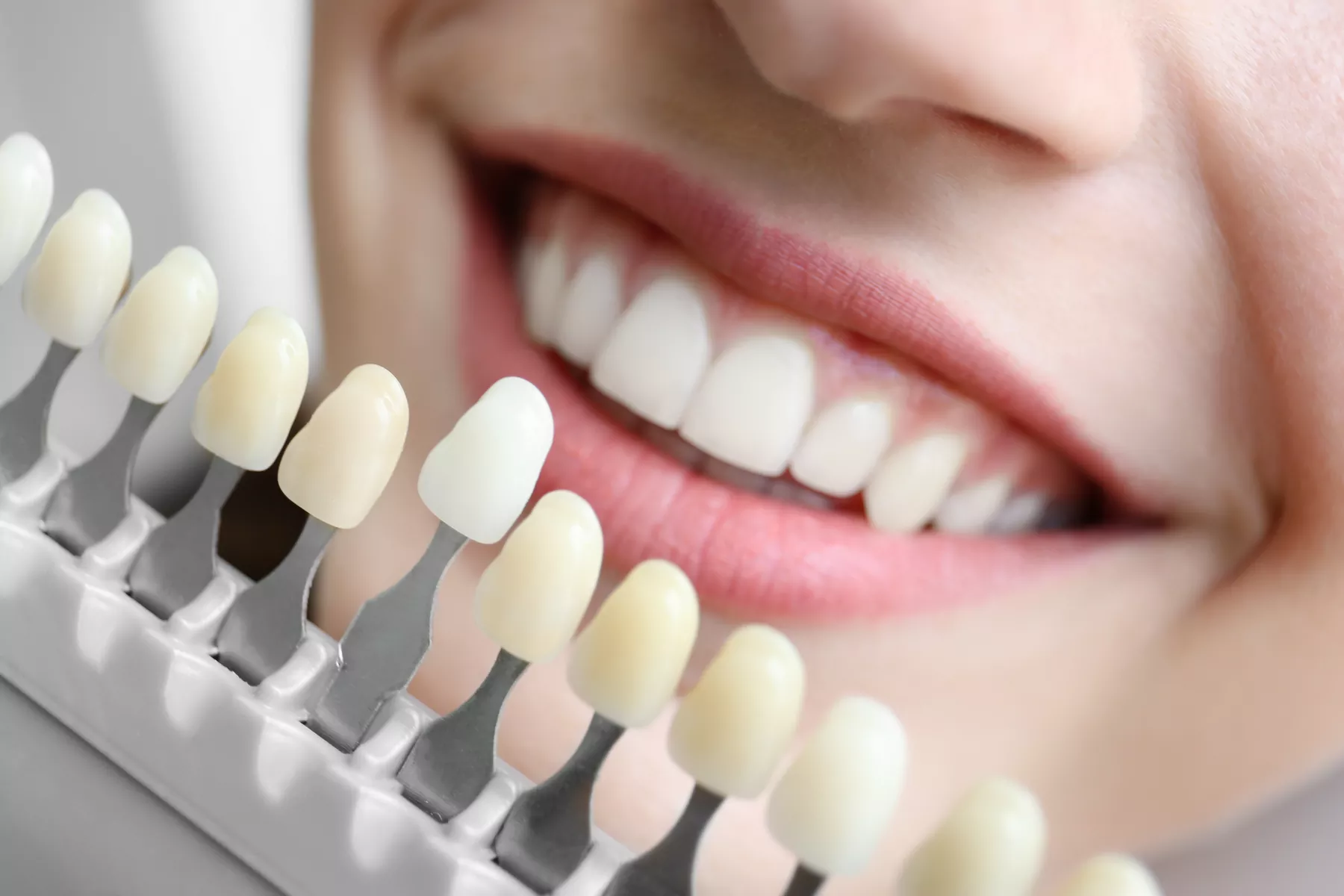
Veneers are super-thin shells that you pop on the front of your visible natural teeth to change the colour, shape or edge length. They are often used for chips, stains that just won’t budge, uneven edges, and small gaps between teeth. But they are not meant to replace chewing power; that’s what a crown does.
Most patients think about composite and porcelain veneers. Porcelain is pretty resistant to stains and also gives patients a natural-looking smile. Composite is fast and easy to mend if it gets damaged.
One thing to keep in mind: veneers often involve scooping out some of your enamel, and that’s usually not reversible.
Missing tooth vs “gap”: the kind of words you use makes a difference
A “gap” can mean your teeth are a bit far apart, or it can mean there is a tooth missing and the space left is empty. Those are two different problems, and they call for different solutions.
Veneers can sometimes close up small gaps when the two surrounding teeth are healthy. But if you actually have a missing tooth, veneers can’t just make the space disappear. They’re not designed to “float” in mid-air.
So label the situation right: are you dealing with a spacing issue or a genuine missing tooth? That can save you a lot of time and money.
Making a decision tree: what’s the problem, where is it, and what are you after?
Location really drives your plan, so let’s start with that before we think about materials or colours.
If you’re missing a front tooth
Get the tooth replaced first with an implant crown or a bridge. Then think about veneers on the teeth next to it if you want everything to match in shape and colour.
If you’re missing a back tooth
Prioritise getting the tooth back so your bite stays stable. Getting veneers later is a cosmetic step.
If you’ve got multiple missing teeth
You might need a more comprehensive restorative plan, often involving implants, a multi-unit bridge, or even partial dentures (artificial teeth). Veneers can still be part of the final look, but they are not the first step.
What usually comes first: sequencing to avoid costly re-dos
Most smile plans work best when you replace the missing tooth first and then work on the veneers. The thing is, replacing the tooth can affect the spacing and gum contours, which then influence the shape of the veneers.
The shade of your adjacent teeth is also super important. If you’re going to get an implant crown or bridge next to your dental veneers, you need to plan the materials and colour together so your smile looks like one cohesive thing.
Getting sequencing wrong is one of the main reasons people end up redoing their cosmetic work.
Alternative cosmetic dentistry options before veneers
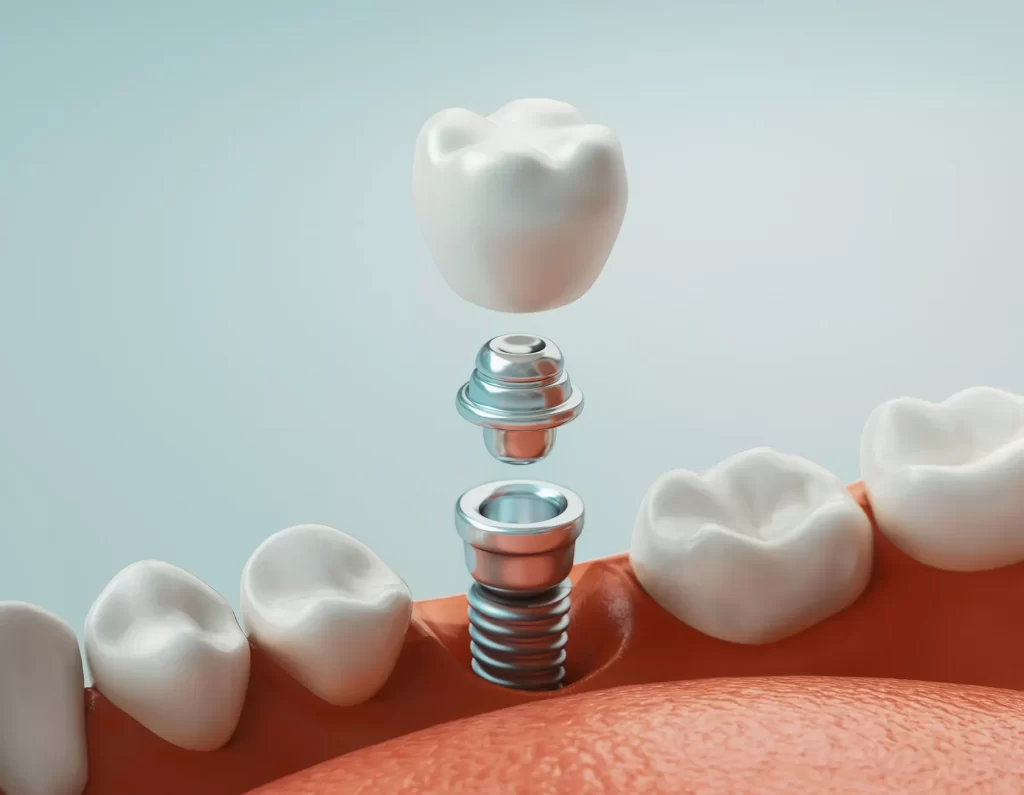
Dental implants/Dental Crowns
An implant supports a crown and keeps the space stable. But timing depends on how long it takes for the bone to heal and get strong enough, so that will guide your schedule.
Dental bridges
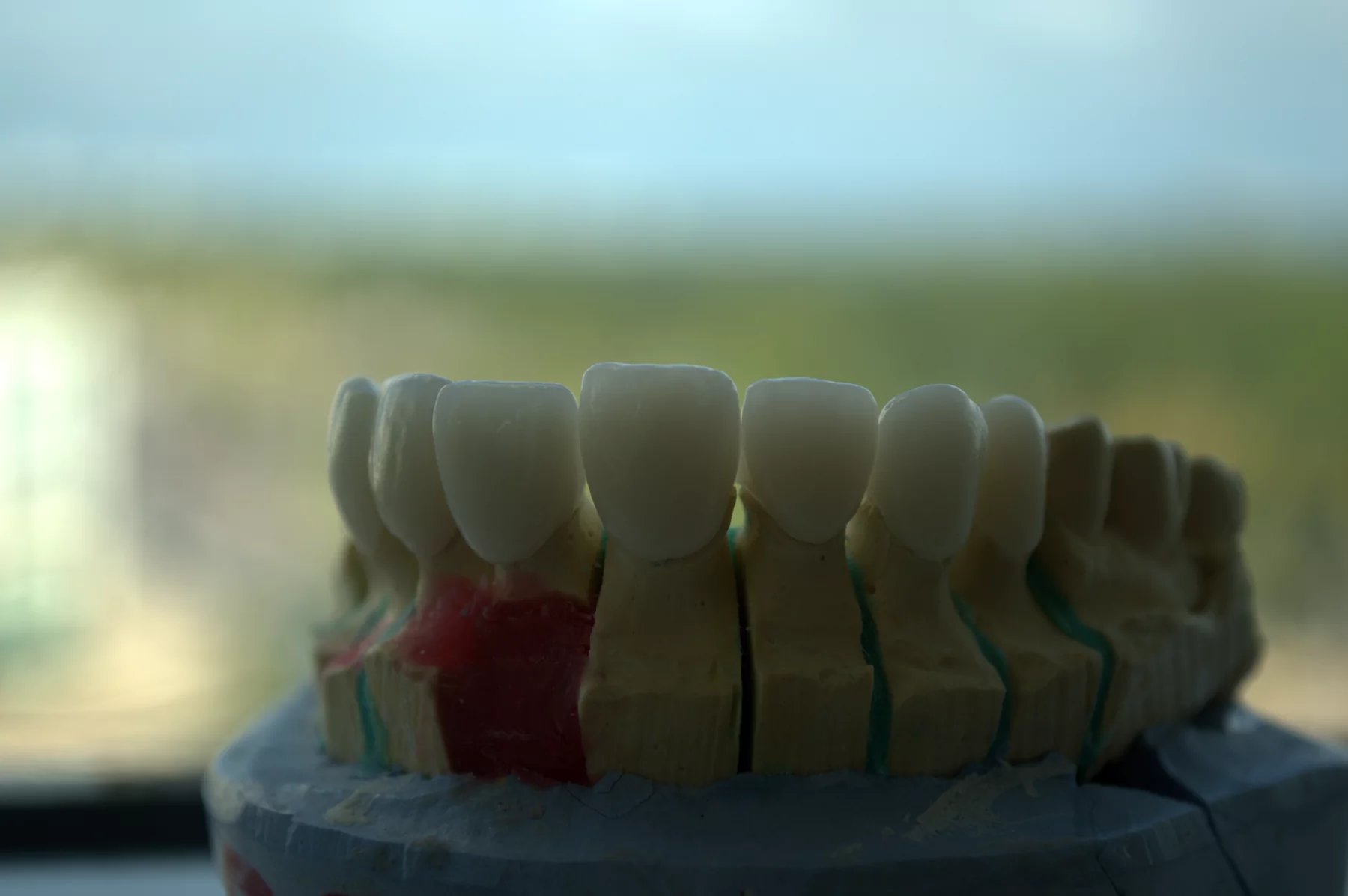
A bridge fills the gap by anchoring to the teeth next to it. It can be a fixed option, but it may involve reshaping those teeth to keep it stable.
Dentures or partials
A removable partial can replace one or more missing teeth and may be used as a temporary step while planning for implants.
Combining veneers alongside implants or bridges: what works in the real world
You can combine veneers with implants or bridges, but the plan has to be joined-up. The goal is simple: everything matches in shape, shade and gumline.
Most dentists check a few basics before designing the “set”:
- Gum health and symmetry
- Bite forces, especially if you clench or grind your teeth
- Space and midline so your smile looks centred
- Shade goals across veneers and any crowns
If an adjacent tooth is heavily filled or cracked, it might be better to get a crown rather than a veneer. That’s not a setback; it’s protecting your result.
Veneer Materials That Matter (Porcelain vs Composite vs Zirconia)
Porcelain veneers give the best look and are very good at keeping stains at bay. But they do take a bit of time; you generally get to wear some temporaries while the final veneers are being made.
Composite veneers are a bit quicker and easier to fix if you need to make changes, but they tend to stain a bit sooner, depending on what you put in your mouth. They also need a bit more regular polishing to keep them looking good over time.
Zirconia and E.max ceramics are where you turn when you want strength and a finish that looks like the real thing. Your dentist will help you decide what’ll work with the shape of your bite and your smile goals.
The Process and Timeline of a Dream Smile (What to Expect Step by Step)
If you’ve got gaps in your visible teeth, that usually means you’ll need to get those filled in first, then get your smile looking its best.
A typical veneer process goes something like this:
- We get a good look at whether you’re a good candidate or not, which usually just involves looking at some X-rays
- We do a light bit of enamel prep so the veneers sit nice and comfy
- We take digital impressions, and you get to try out some temporary veneers
- Then we do the final bond and do some checks on your bite and the way the veneers match your teeth
Dental Vacation Planning: Cancún vs Los Algodones
If you’re looking to head to Mexico for some dental work, the two places that tend to come up are Los Algodones and Cancún. If you want to make it easy on yourself and just walk across the border, Los Algodones is probably your best bet. But if you’re looking at making a real holiday out of it, Cancún is a better fit; you can combine getting some treatment with a bit of R&R in the sun.
How CCD Helps You Plan with Confidence
If you want some guidance before you start arranging your trip, we at CCD can give you a free virtual diagnostic in under 24 hours. Just upload some photos or X-rays, and we’ll send you a video from Dr Germán Arzate with his thoughts.
Dr Arzate is a real expert in his field, a qualified cosmetic dentist who’s also a member of the American Board of Oral Implantology/Implant Dentistry and has over 25 years of experience in restorative and cosmetic dentistry. And we make it easy; our team speaks both English and Spanish, so you always know what’s going on. We’ve got clear pricing, up-to-date digital workflow and a lab on site to make sure the work is always top-notch.
If you’re coming in for a major treatment, we’ll even pick you up from the airport, and if you need it, we can help sort out a hotel for you too.
FAQ
Can I get veneers if I’ve got a gap in my teeth?
No, veneers need something to attach to. If you’ve got a gap, you’re usually going to need an implant, bridge or partial first. You’ve got to have a surface to put them on.
Can I get veneers next to an implant crown?
Yeah, that’s a pretty common thing. The thing that matters is making sure the shape and colour of the crown and the veneers match up so they look like they’re meant to be there.
Do I need a crown instead of a veneer?
It’s possible that if a tooth is really weakened because of a big filling, a crack or because you chew on it a lot, a crown might be a better choice.
How many days should I plan to spend on veneers in Cancún?
It really depends on how many teeth you’re having done and whether you need to replace any of them too, generally speaking you’ll need to come in for an evaluation and some temporaries, then the lab will make the final veneers, and you’ll come back for the final fit. Your dentist will be able to give you a better idea of what to expect.
Next Step
Ready to get a plan in place that you can review from home? Book your free virtual diagnostic with Cancun Cosmetic Dentistry, and then you can start making plans for your trip.