

A mouth guard may look simple, but it can do a lot for your teeth. If you grind at night, clench during stress, play sports, or already have dental work you want to protect, the right guard can help prevent damage before it becomes painful or expensive.
Still, not every mouth guard works the same way. The best choice depends on why you need it, how your teeth fit together, and whether you need protection for grinding, impact, jaw strain, or existing dental restorations.
What are the main mouth guard benefits?
Mouth guards help protect teeth from grinding, clenching, impact, chips, cracks, enamel wear, and soft tissue injuries. They create a barrier between the teeth or cushion the mouth during force, depending on the type of guard.
Featured snippet answer:
Mouthguard benefits include protecting teeth from grinding, reducing enamel wear, lowering the risk of chips and cracks, cushioning sports impact, helping reduce jaw strain, and protecting dental work. A custom mouth guard may offer better comfort, fit, and long-term protection than many store-bought options.
The main benefit is prevention. A mouth guard can reduce the stress placed on your teeth, jaw muscles, and dental work before small wear patterns become bigger problems.
That said, a mouth guard is not a cure for every dental issue. It can protect your smile, but it does not diagnose the cause of grinding, jaw pain, bite problems, or damaged restorations. That is where a dental evaluation matters.
Mouthguard benefits for teeth grinding and clenching
Teeth grinding, also called bruxism, can happen while you sleep or during the day. Some people notice it because they wake up with jaw soreness. Others only find out when a dentist sees worn enamel, small cracks, or damaged dental work.
A night guard is designed to protect the teeth from the pressure created by grinding or clenching. It does not always stop the habit itself, but it can reduce the damage caused by it.
It helps protect enamel from wear
Enamel is the hard outer layer of your teeth. It is strong, but it is not built to handle constant grinding night after night.
When teeth grind together, enamel can slowly wear down. Over time, this may lead to flatter teeth, sensitivity, rough edges, or changes in how your bite feels. A night guard works like a protective layer between the upper and lower teeth, helping reduce direct tooth-to-tooth contact.
This matters because enamel does not grow back. Once it is worn away, treatment may involve bonding, crowns, veneers, or other restorative options depending on the amount of damage. A mouth guard can help protect what you still have.
It may reduce chips, cracks, and damage from dental work
Grinding and clenching can put heavy pressure on natural teeth and restorations. Fillings, crowns, veneers, and bridges may all be affected by repeated force.
A mouth guard can help distribute pressure more evenly, which may lower the risk of chips, cracks, and broken dental work. This is especially important if you have already invested in cosmetic or restorative dentistry. Protecting that work is part of protecting your smile.
Here’s the thing: if dental work keeps breaking, the guard may only be part of the answer. A dentist may also need to check your bite, tooth position, or the condition of older restorations.
It can support jaw comfort
Clenching does not only affect teeth. It can also strain the jaw muscles and surrounding areas, which may contribute to morning soreness, facial tension, headaches, or discomfort near the temporomandibular joint, often called the TMJ.
A night guard may help by reducing the intensity of clenching forces on the teeth and jaw. Some people feel more comfortable when the jaw has a stable, protective surface to rest against during sleep.
However, jaw pain can have several causes. A mouth guard may help with strain from grinding or clenching, but persistent TMJ symptoms, clicking, locking, or severe pain should be evaluated instead of ignored.
Mouthguard benefits for sports and active lifestyles
Mouth guards are not only for nighttime grinding. Sports mouth guards are made to protect the teeth, lips, cheeks, tongue, and jaw during physical activity.
They are especially useful for contact sports, but they can also help in activities where falls, collisions, or sudden impact are possible. Think basketball, soccer, football, martial arts, skating, biking, or any sport where your face could take a hit.
It cushions impact during sports
A sports mouth guard helps absorb and spread out impact. Instead of one tooth taking the full force of a hit, the guard helps cushion the blow across a wider area.
This may reduce the risk of chipped, cracked, loosened, or knocked-out teeth. It can also help protect orthodontic appliances or dental work from sudden trauma.
A guard cannot prevent every injury, but it adds a layer of protection at the moment you need it most. For athletes, that small layer can make a big difference.
It protects soft tissues too
During impact, teeth can cut the lips, cheeks, or tongue. A mouth guard helps cover sharp tooth edges and creates separation between the teeth and soft tissues.
That protection can reduce cuts, irritation, and painful mouth injuries during sports or active hobbies. It can also make players feel more confident because they are not constantly worried about damaging their teeth.
For the best protection, the guard needs to fit well enough to stay in place. If it feels bulky, loose, or hard to breathe around, it may not protect you as well as it should.
Custom mouth guard benefits vs. store-bought options
A better fit can mean better protection
Store-bought mouth guards can help in some situations, especially for short-term use. But they are not shaped around your exact teeth, bite, or dental work.
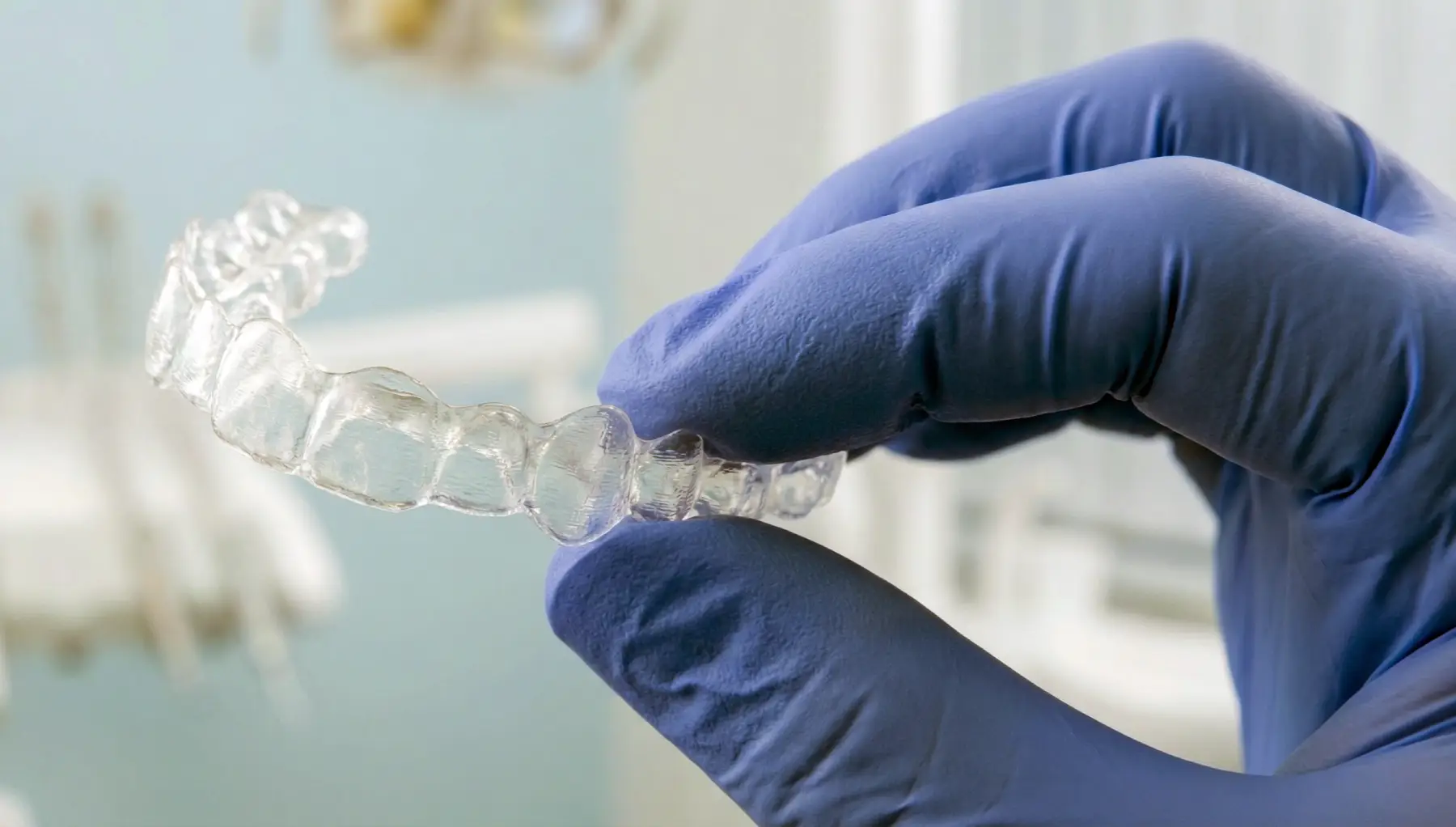
A custom mouth guard is made from impressions or digital scans, so it usually fits more securely. That better fit can make it easier to breathe, speak, and keep the guard in place. It may also reduce bulky areas or pressure points that make people stop wearing a guard altogether.
Fit matters because a mouth guard only helps when you actually use it. If it feels awkward every night or shifts during sports, its protection is limited.
Custom guards can last longer
Custom guards are often made with stronger materials and a design that matches your needs. A night guard for grinding is not the same as a sports guard for impact, so the type of protection should match the problem.
A custom guard can also be adjusted if it rubs, feels uneven, or needs small refinements. That can make it a better long-term choice for people with heavy grinding, crowns, veneers, bridges, or other dental work.
Still, no guard lasts forever. Grinding intensity, cleaning habits, material thickness, and changes in your mouth can all affect when it needs replacement.
Store-bought guards may be useful short term, but limited
Boil-and-bite or stock guards may be easier to find and less expensive upfront. For some people, they can offer temporary protection until they see a dentist.
The tradeoff is fit. A loose guard may move around, while a bulky one may feel uncomfortable or affect breathing. If it makes your jaw feel worse, causes sore spots, or keeps falling out, it may not be the right solution.
When a mouth guard is not enough
A mouth guard can protect your teeth, but it does not explain why you grind, clench, crack restorations, or wake up with jaw pain. It also cannot repair worn enamel, broken fillings, damaged crowns, or bite problems.
If you have ongoing headaches, tooth sensitivity, jaw soreness, flattened teeth, or repeated dental work damage, you need more than a guess. A dental evaluation can show whether you need a night guard, a sports guard, bite adjustments, restorative care, or a larger treatment plan.
Planning dental care in Cancun if grinding has damaged your smile
If grinding or impact has already changed your teeth, Cancun Cosmetic Dentistry can help you understand your options before you travel. CCD offers a Free Virtual Diagnostic in less than 24 hours for U.S. and Canadian patients who want clearer answers about worn enamel, cracked teeth, damaged restorations, crowns, veneers, implants, or full smile makeovers.
Patients also choose CCD for bilingual communication, clear pricing, state-of-the-art equipment and materials, and airport pickup or shuttle logistics. For many people, dental care in Cancun also means significant savings compared with U.S. prices, with beaches, hotels, restaurants, and easy travel planning nearby.
Protect your teeth before small damage becomes expensive
A mouth guard can be a smart step, but the right one depends on your teeth, bite, habits, and dental history. Book your Free Virtual Diagnostic with Cancun Cosmetic Dentistry to review your options, request a quote, see prices, or ask about travel and shuttle support.
FAQ
Are mouth guards good for teeth grinding?
Yes. Night guards can help protect teeth from grinding damage, but they may not stop the grinding habit itself.
Is a custom mouth guard better than store-bought?
Usually, yes. Custom guards tend to fit better, feel more comfortable, and offer more stable protection.
Can a mouth guard help with jaw pain?
It may help reduce strain from clenching or grinding. Persistent jaw pain, clicking, locking, or severe discomfort should be evaluated.
How do I know if I need a mouth guard?
Signs include morning jaw soreness, headaches, worn teeth, cracked dental work, tooth sensitivity, or playing contact sports.