


You’re not alone if you’re stuck on which one to choose: veneers or crowns. Both can give your smile a major boost, but they tackle different problems. What you’re really looking for is the option that’s right for your tooth, not just the one that looks best.
The smart move is to treat this as a smart investment, not a gamble. A good, thorough exam, some good imaging, and a clear plan of action can save you from making costly mistakes. This is especially true if you’re doing this while traveling, because you want to avoid any last-minute changes.
Veneers vs Crowns: Overall Oral Health or Front Teeth Aesthetics?
Veneers are like a thin layer (about half a millimeter) of tooth-colored shell that gets stuck to the front of the tooth surface to give it a bit of a lift; think of it as merely a cosmetic improvement. Crowns cover the entire tooth to give it some extra strength and protection.
Here’s when veneers are usually the better choice:
- For people who just want to brighten up their smile a bit, or fix a small chip or edge wear
- For teeth that are looking a bit dull or uneven, and are generally healthy
- For small gaps that won’t be too much of a problem once your bite is back in line
And here’s when crowns are usually the way to go:
- When you have teeth with big old fillings, or that are structurally a bit of a mess
- When you’ve got a crack or your teeth are chipping repeatedly
- When teeth have had root canal treatment and need a bit of extra protection
If you want the quick and easy fix, veneers are just a tweak on what you already have. Crowns, on the other hand, are all about rebuilding and protecting a tooth that’s in trouble.
Veneers: Does a Cosmetic Dentistry Measure Always Mean a Smaller Bill?
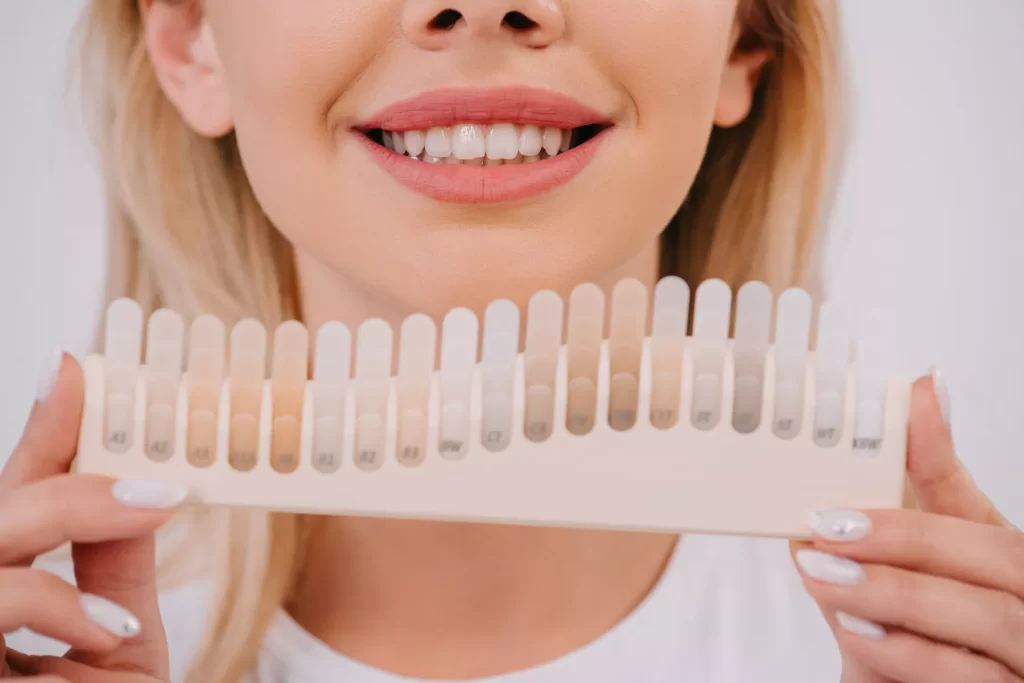
Veneers are thin, tooth-colored shells that are placed over the front surface of a tooth to brighten and even out your smile. When they’re done right, they can be a real game-changer. They’re ideal for teeth that are structurally healthy and just need a bit of a cosmetic boost. Think of a stubborn stain, uneven edges, a small chip, or a shape that just doesn’t photograph well. They can also help close up some small gaps if your bite and enamel can support it.
Where veneers tend to struggle is when they’re not the most predictable choice. If you have weakened teeth that have already been filled or have cracked, a veneer might not be enough to protect it covers only the front surface. If you grind your teeth at night, veneers can still be an option, but you’ll need to get a night guard to go with it.
One of the most common mismatches is trying to solve alignment or bite problems with veneers. Veneers can visually improve minor unevenness, but if you’ve got a serious case of crowding, a deep bite, or shifting teeth, you’ll need to get orthodontics or restorative work done first. It’s all about preventing chips, gum irritation, and an overbuilt look.
The Dental Veneers Trade-offs You Need to Know
Veneers aren’t a temporary beauty fix. Once you start chipping away at the enamel, the process is usually not reversible. That’s why a real risk-benefit conversation is so important.
Veneers can’t stop cavities, and they can’t compensate for gum disease or uncontrolled decay. They can’t outsmart a bite that’s actively damaging teeth. If your dentist says “stabilize first”, that’s usually a preventive measure, not a delay tactic.
Natural-looking veneers take some real planning. You need to think about shade matching, edge shape, and symmetry to get a result that looks subtle, not obvious. If you’ve seen a smile makeover that looks too bright or too uniform, that’s usually a planning issue.
Dental Crowns Placement: Are You Ready for a Full-Coverage Solution?
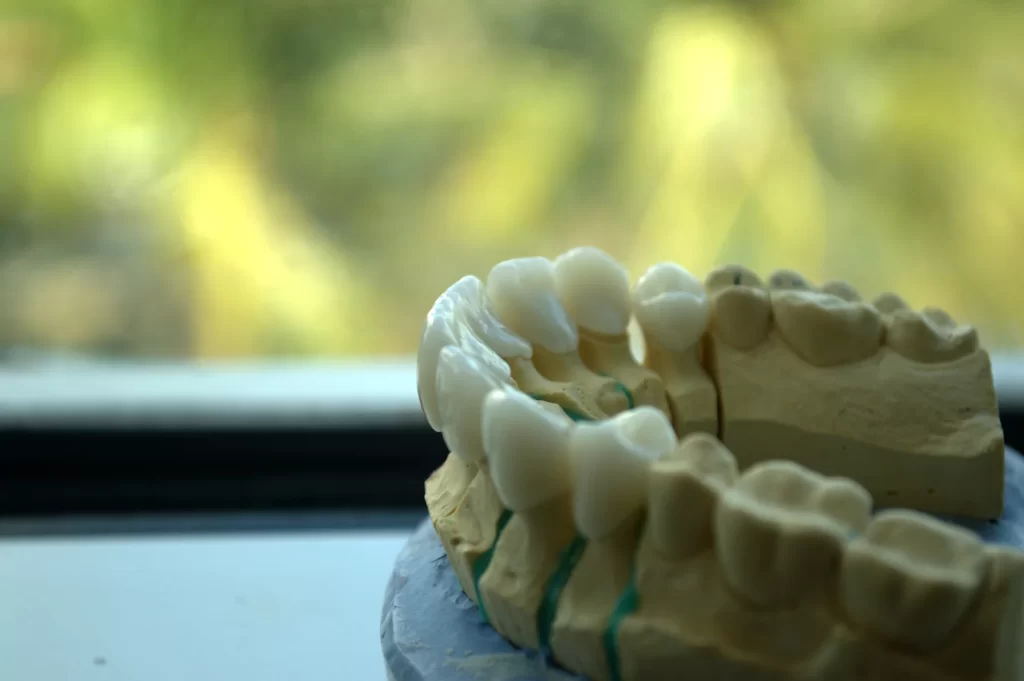
A crown is like a custom dental restoration procedure that covers the entire tooth like a fitted helmet. It can rebuild the shape, add some extra strength, and protect your existing teeth if they are beginning to crack under the pressure.
Crowns are usually the way to go when a tooth has lost a lot of structure. That means large fillings, fractures, advanced wear, or teeth after root canal treatment. If a molar hurts when you bite or keeps chipping in the same spot, a crown can be a more durable long-term solution.
The key to a successful crown is a good fit. The margins where the restoration meets the tooth have to seal well, and the bite has to be adjusted carefully. You need a good prep and some precise scans or impressions to get it right.
Aesthetic Crowns: Can They Still Look Good?
Some people think of crowns and picture something bulky or opaque. But the truth is, modern tooth-colored crowns can look really natural, especially when you match the material to the tooth location and your bite forces. Front teeth often prioritize aesthetics, while back teeth prioritize strength.
It’s not always an either-or decision across the whole smile. Many smile makeovers mix veneers and crowns, depending on which teeth need protection and which teeth just need a bit of a tweak.
The Decision Checklist: 5 Questions That Will Help You Make a Decision Fast
You don’t need to be a dental expert to make a good choice. You just need the right questions in the room.
- Is the tooth structurally strong, or is it cracked, heavily filled, or worn down?
- How much healthy enamel is available to work with?
- Is the tooth in the front smile zone or the back chewing zone?
- Do you clench or grind, even occasionally?
- Is your goal cosmetic refinement, protective restoration, or both?
If any of these questions leave you with more questions, slow down and get some proper diagnostics. If you’re planning travel, clarity upfront can save you time, money, and stress.
If you’re looking at options from the comfort of your own home, at Cancun Cosmetic Dentistry (CCD), we can give you a Free Virtual Diagnostic, usually within a 24-hour turnaround time. Our team plans cases using digital imaging tools like CBCT and intraoral scanning. We also offer bilingual communication and coordinated logistics to help international patients.
The materials that can make or break the outcome, and the price
Veneers are generally less expensive than crowns, but the exact price can vary based on materials and clinic location.
When it comes to choosing between veneers and crowns, the material is not just a minor detail: it can make a world of difference. It affects how ‘real’ the tooth looks, how well it holds up to biting and chewing, and how predictable the result feels.
Composite vs Porcelain Veneers: What you need to know
Most veneers are made from porcelain or composite resin. Porcelain veneers will still look like your natural teeth years down the line and handle stains nicely. Composite veneers, on the other hand, are more budget-friendly and easier to repair, but they may stain faster and need more polishing.
One question you should be asking is: Are you a strong candidate for bonding? Veneers rely on a strong bond, and the best surface for bonding is healthy tooth enamel. If a tooth is heavily filled or cracked, a crown might be the safer long-term option.
The lowdown on crown materials
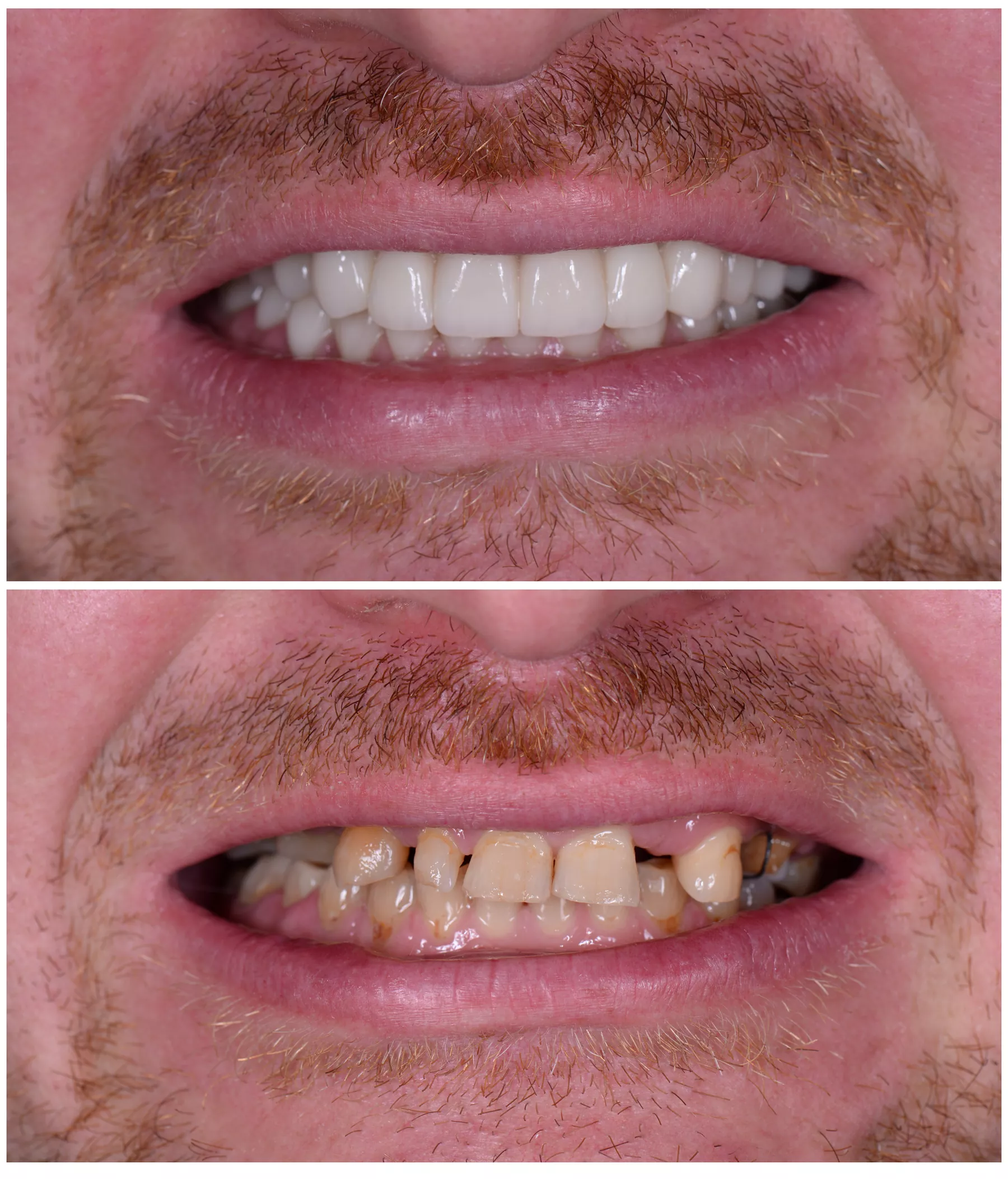
Crowns are often made from porcelain, zirconia, or porcelain-fused-to-metal, with porcelain and ceramic crowns commonly chosen for their natural appearance and lifelike translucency. Zirconia is usually chosen when strength is the top priority, while more translucent ceramics are often preferred when the tooth is front-and-centre and you want a softer, more natural look.
In the past, all-metal crowns were widely used, but with modern-day technology, they have fallen out of fashion due to far superior cosmetic and functional solutions.
Here’s a tip to make the conversation flow a bit better: Is the tooth in your smile zone or your chewing zone? Add in any grinding or clenching you do, and the right material choice becomes much clearer.
Tooth Preparation and Veneer Process
- Exam and smile goals: we take photos, make measurements, and pick out a shade
- Tooth prep: if needed, we’ll do some small enamel reshaping
- Digital scan or impression: We use that to create a blueprint for your veneers
- Try-in and bonding: the final placement and bite refinement
Most people do pretty well with local anesthetics. The most common side effect is a bit of cold sensitivity for a few days, especially if multiple teeth were prepped.
Process and Tooth Preparation for Crowns
- Exam and diagnostics: we check for decay, cracks, and any bite stress
- Tooth prep: shape the tooth for full coverage
- Scan or impression and a temporary crown: to protect the tooth while the final is made
- Final cementation: we seat the permanent crown and fine-tune the bite
Crowns can feel a bit more involved than veneers because we’re working with more tooth structure. The upside is that it provides protection, especially for teeth that are already compromised.
Longevity, maintenance, and risks
Most people’s disappointments aren’t about the veneer or crown itself; they come down to mismatched expectations, bite forces, or inconsistent maintenance.
Veneers can chip or debond if you bite into something hard or if grinding goes unmanaged. Crowns can develop problems at the margin if hygiene slips and tooth decay starts around the edges. Both need daily brushing and flossing, plus regular cleanings.
If you grind or clench, you should talk to us about a night guard. Not glamorous, but it can protect your investment.
Before treatment, ask to see the clinic’s written warranty terms and what’s needed for coverage. Ask about follow-up timing, hygiene expectations, and whether night-guard use is required when indicated.
Planning veneers or crowns in Cancun
Mexico’s two main dental travel hotspots are Los Algodones and Cancun. Los Algodones is geared for quick border trips, while Cancun can fit in a vacation-style schedule with recovery time built in.
If you want beaches, resorts, and a recover-and-relax vibe, Cancun’s your place. It’s also a great fit for patients who prefer to plan and arrive with a clear schedule.
Logistics to consider before booking flights
Get clear on how many visits you need and how far apart they are. Ask if temporaries are included and what to do if one feels high. Confirm the aftercare instructions you should follow while traveling.
At CCD, we support many U.S. and Canadian patients with bilingual communication, coordinated planning, and help with airport pick-up logistics. We offer a Free Virtual Diagnostic and can provide a custom video diagnosis in under 24 hours in many cases, which can give you a good idea of options before you travel.
Crowns and Dental Veneers FAQ
Do veneers last as long as crowns?
Both can last many years with good hygiene and a stable bite. Crowns are often chosen when a tooth needs more protection, which can improve long-term reliability for that tooth.
Do veneers ruin your teeth?
Veneers usually require some enamel reduction, so the change is typically permanent. That doesn’t mean they ruin teeth, but you should feel confident about your bite and the plan.
Are Dental Veneers covered by Dental Insurance?
Usually, they aren’t because they are considered cosmetic dentistry procedures made by election, depending on policy.
Can a front-tooth crown still look natural?
The answer is a resounding yes, as long as you have the right materials and some careful planning. Matching the translucency of the crown to its surrounding teeth and making sure the edges are nice and smooth can really help it blend right in.
Can you mix veneers and crowns in one smile makeover?
Absolutely, it’s a pretty common combination. Veneers can be a great way to give a healthy front tooth a bit of a polish, while a crown can protect a tooth that’s been damaged by cracks, fillings, or just isn’t as strong as it used to be.
Next step: book a free virtual diagnostic session
If you’re looking for an expert opinion tailored to your teeth, why not start with a free virtual diagnostic session with us at CCD? You can use this opportunity to get a quote, ask about pricing and what’s included, as well as confirm travel details and check on any airport pickups we can arrange.