


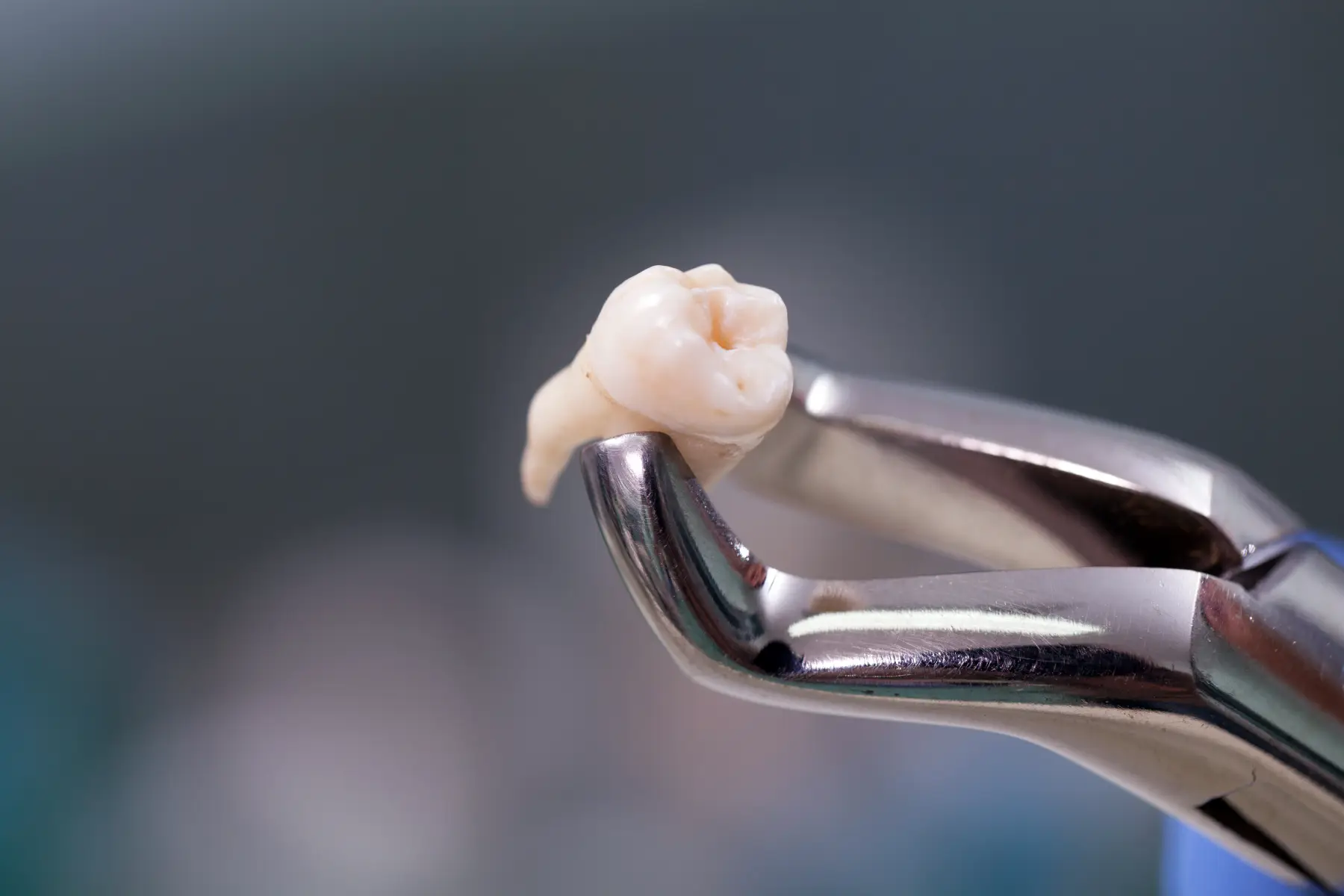
A tooth extraction is never the actual goal. It’s the last resort when a tooth is too far gone to save safely without putting your whole body at risk. Get clear answers, not wild guesses, especially when severe tooth pain is playing havoc with your job, family or travel plans.
If you’re stuck trying to figure out what’s going on with your oral health while planning around work, family or travel, it’s time to get some expert advice fast. Places like Cancun Cosmetic Dentistry (CCD), led by Dr Germán Arzate, offer a free virtual diagnosis so you can get an idea of what might be going on before you travel.
What’s the bare minimum to know about tooth extraction (and when it’s a real emergency)
You need a tooth extraction if your tooth is beyond repair due to some pretty extreme issues like deep tooth decay, a bad crack or repeated infection. But if you’re experiencing facial swelling, a fever, pus draining from the gums, or you’re having trouble swallowing or breathing, you need to get to the dentist as fast as you can.
This is just some information to help guide your decisions, not some kind of definitive diagnosis. A dentist still needs to take a look and run some tests to confirm what’s going on and figure out the best course of action, which might just be saving the tooth after all.
Tooth extraction process 101: the difference between simple and surgical extraction
A tooth extraction procedure is basically just pulling a tooth out of its socket in the jawbone. And sometimes, it’s the safest option if keeping the tooth just means putting up with ongoing infections, painful flares or a high risk of the tooth cracking in half.
Having a tooth pulled by a simple extraction is usually no problem if the tooth is hanging around above the gum line and easy to get at. But a surgical extraction is often required when one or more teeth are impacted, have already cracked below the gum line or are just plain hard to reach, and that requires a dentist to take a closer look with an X-ray (and maybe even some 3D imaging) first. It all comes down to access.
The top 7 signs that you might need a tooth extraction (but not necessarily a diagnosis)
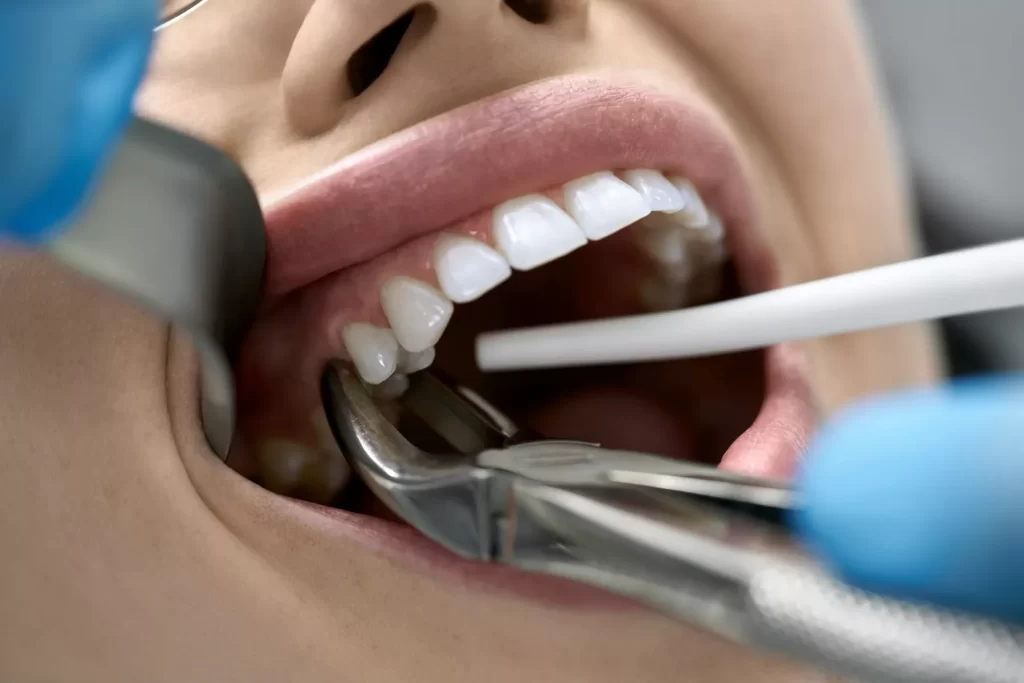
A sign is just a warning, not a verdict. Really, the most important question is whether the tooth still has any hope of being saved.
1) You have damaged teeth that are well beyond repair
If there’s extensive tooth decay, a filling or root canal therapy just isn’t going to hold, and a crown might not have enough solid tooth to grip onto.
2) Dental issues like swelling, you’ve got pus, or you’re getting recurring infections
Recurring infections, swelling around the surrounding teeth, a funky taste, or drainage are all bad signs of severe tooth decay, and antibiotics might calm things down without actually fixing the problem. Removing the infected tooth may be the best way to go.
3) You’ve got broken teeth whose cracks have gone down below the gum line
Cracks can sneak up on you until you bite down, and suddenly you start to experience severe tooth pain that feels sharp and stabbing. If the crack has split the tooth in two in an unstable way, going below the gum tissue, an extraction might be a good idea.
4) Your tooth is loose due to gum disease or bone loss
A tooth can look fine on top, but still be failing underneath if the bone and gum support underneath are shot. If the tooth is loose and can’t be rebuilt in a way that will hold, saving it might not be an option.
5) A natural tooth has had it, and you’re back to square one (again)
If you’ve had to get multiple treatments on the same tooth and it just keeps going back to square one, that pattern is way more important than the latest symptom; an extraction may be adequate to avoid further complications.
6) Impacted wisdom teeth
Wisdom teeth can be pretty common to extract when they’re impacted and affect your adjacent teeth, if they are hard to clean or keep getting infected. Swelling behind the molars or jaw tenderness is something that needs to be checked out.
7) You need some space in your mouth for cosmetic dentistry work
In some orthodontic treatments, removing a tooth can actually make room to align your bite more healthily, and that’s a good thing.
When it’s an emergency: don’t wait.
If you’ve got facial swelling, a fever, pus draining, or you’re having trouble swallowing or breathing, those are red flags. Call the dentist or an urgent care centre and get seen. If these are left untreated it could affect your overall oral health.
If you’re unsure, call a dental clinic or urgent care and tell them what you’re experiencing, when it started and whether it’s getting worse.
Before you yank a tooth: what might actually save it (and how dentists decide)
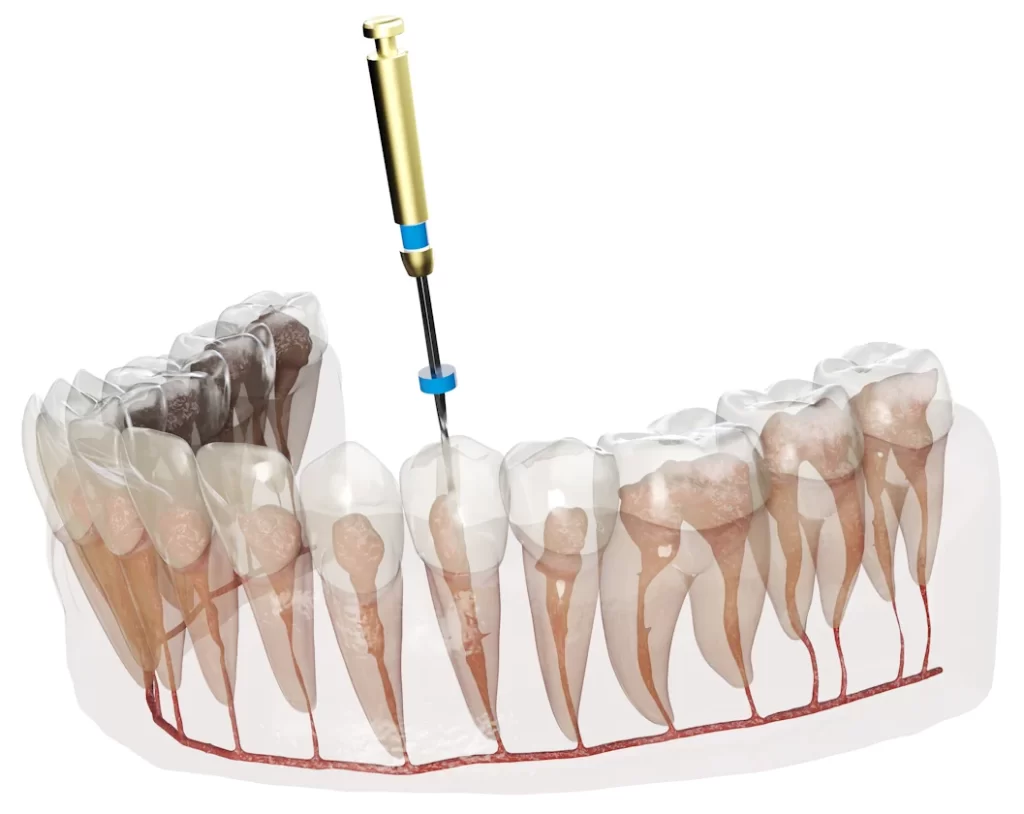
When you’re seeing signs of needing an extraction, the next question is, is this tooth actually salvageable, or are you just buying time and putting yourself through more pain? It’s all about being predictable.
Dentists look at whether the tooth can be restored and whether the root and supporting bone are stable. If the foundation is solid, then you might still have options like a root canal, a crown or even some periodontal treatment to fix things.
What happens at the appointment (and what to expect)
Most visits start with an exam and X-ray, and they might even use some 3D imaging if they need to get a closer look at tricky roots, impacted teeth or suspect fractures.
If a tooth needs to be extracted, a local anaesthetic is used so the area is numb. If you’re nervous, just say so, because there are options to make you more comfortable, especially for surgical cases.
Recovery basics (and how to lower your chances of a dry socket)
In the first 24 to 72 hours, you’re going to be pretty sore, with some mild swelling at the extraction site, and maybe even some light oozing. You need to protect the blood clot, because that’s your body’s natural bandage.
A few basic rules can help:
- For the first few days, let things settle, give straws, smoking, and even vigorous rinsing a skip.
- Stick to soft food and chew on the other side, especially at first.
- Take your medications exactly as you’re told, don’t risk doing any more harm by not sticking to the plan.
Call your clinic if your bleeding isn’t slowing down, your swelling gets worse after the first couple of days, pain suddenly spikes after three days, or you come down with a fever.
After an extraction, additional dental care so your teeth don’t start shifting
Leaving a space empty can lead to a wonky bite and some serious shifting… and don’t even get me started on what happens when the bone in that area starts to shrink over time.
Options to consider include:
- A dental implant with a crown
- A bridge supported by the teeth either side
- A partial denture
The best one for you will depend on the state of your bone, how much force your teeth are under, how much time you have available, and, of course, your budget. If you do decide to replace a tooth, make sure you get the lowdown on the materials and any warranty they offer; policies can vary wildly between clinics, so it’s always best to ask.
Planning a dental extraction in Cancun, when it feels like a fresh start
Mexico’s got two top dental travel spots, Los Algodones and Cancun, and while Los Algodones is ideal for border-hoppers, Cancun is the place to go if you want treatment and some downtime in a pretty nice setting.
Make sure you get the whole recovery plan in writing, and that you ask what kind of aftercare you can expect if you’re going to be on the move. And don’t forget to confirm how things will work once you get back home. This is especially important if you’ll need to follow up with a replacement plan after the healing process is complete.
CCD has got your back when it comes to international patients. We offer bilingual communication and even a Free Virtual Diagnostic. Our clinic is led by Dr Germán Arzate (ABOI/ID Diplomate), and we usually get back to you within 24 hours, so you can start the conversation before you even book your flights.
Frequently Asked Questions
Can a tooth infection mean I need an extraction?
Not always, sometimes infections can be sorted with a root canal, but if the tooth is too far gone or the infection keeps coming back, you’re probably going to need to lose the tooth.
Is an extraction painful?
You shouldn’t feel any significant pain once you’re numb, but you may feel some pressure; that’s pretty normal. And of course, you’ll be a bit sore after, but that’s usually pretty manageable.
How long does it take to recover?
A lot of people start to feel a lot better within a few days, but complete healing takes longer. Your dentist will be able to give you a better idea of what to expect based on your case.
What is dry socket, and how do I avoid it?
Dry socket is what happens when the clot in the socket gets dislodged too early, which can be pretty painful. Avoid straws and smoking, and follow the aftercare plan you get from your dentist to control bleeding; clot loss is a real risk.
Do I need to replace the tooth with dental implants after an extraction?
Not always, but if you do, it can help protect your bite and stop your teeth from shifting. Just ask your dentist what options are available to you, and what will work best for your comfort, timeline and long-term goals.
Book Your Free Virtual Diagnostic
Here’s the thing: if you want clarity without guesswork, start with CCD’s Free Virtual Diagnostic. We’ll talk through the timing, pricing and travel logistics with you, so you can make a decision that’s right for you.