

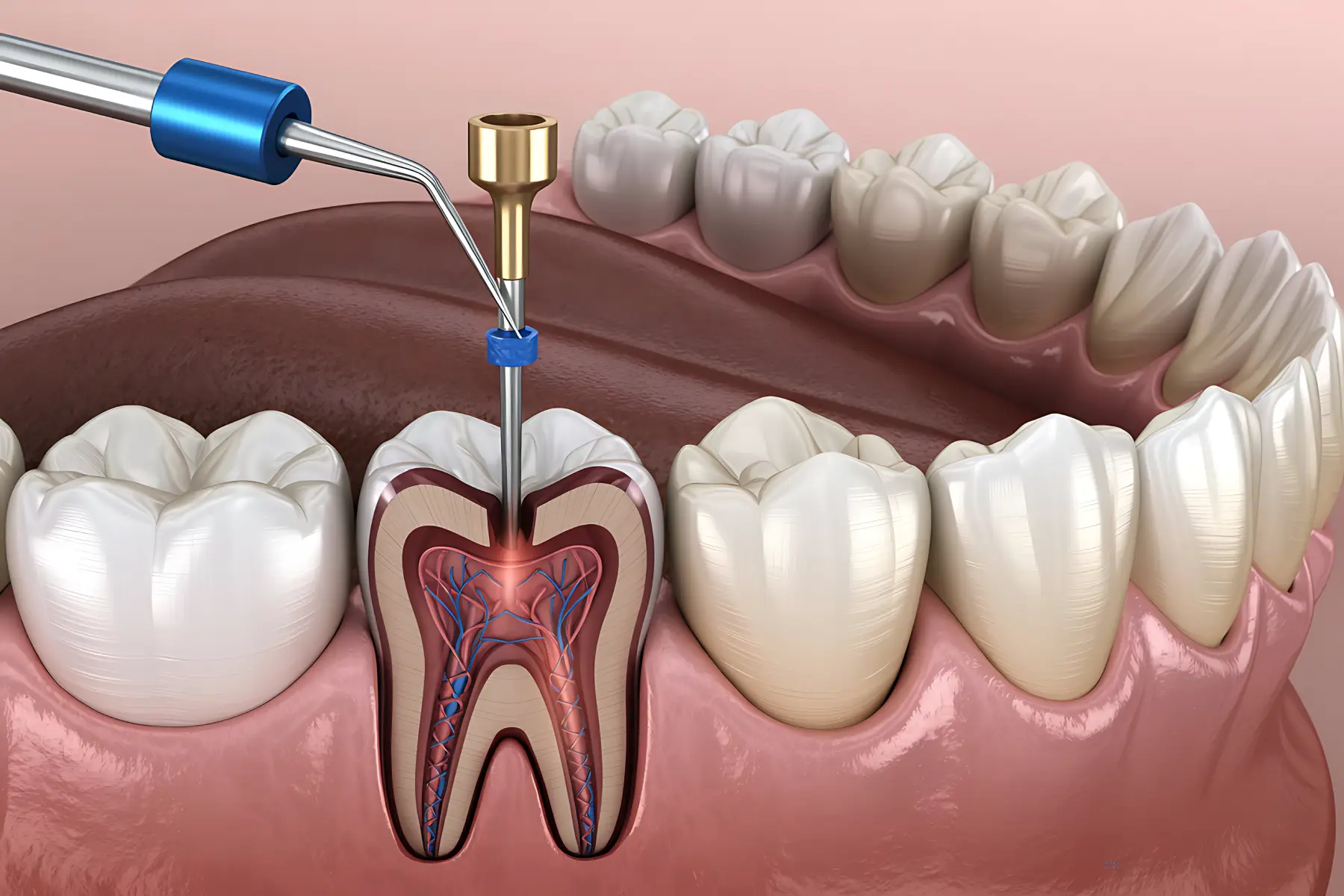
When you have an infected tooth whose roots are beyond treatment, a root canal treatment is necessary to salvage the tooth. Well, the root canal recovery can be a bit of a drag, but it’s not usually as bad as you might think, at least not for most people. That initial ache and exhaustion usually fade as the affected tooth’s surrounding tissues calm down.
If you’re planning on having a root canal treatment done while in Cancun, you want to be able to recover in a way that fits in with your morning hotel breakfast and flight schedule. Here at Cancun Cosmetic Dentistry (CCD), led by Dr. German Arzate, we’re a great option for U.S. and Canadian travelers who need a dentist who can speak your language and make arrangements for you. They offer free virtual diagnostic appointments within 24 hours.
The root canal procedure healing process at a glance
In the first 24 hours after the procedure, take it easy, and choose soft foods on the opposite side of your mouth. Don’t be surprised by a little bit of bite soreness, rather than that intense throbbing you might be expecting. Just brush and floss around the damaged tooth area gently, and let the tooth heal until your final filling or crown is done.
After a few days, most people start to feel noticeably better, and gradual improvement is the name of the game. Protect that tooth early on and keep an eye on your overall recovery.
What you should feel after a root canal
When the infected pulp is removed, and the canals are cleaned and sealed, the tissues on the outside of the tooth can get a bit inflamed afterwards. That’s why people often say that “what to expect after a root canal” usually includes a bit of initial discomfort when you bite or tap on the tooth, plus some mild jaw aching. But it should never get any worse than that.
Day-by-day optimal healing recovery timeline
Follow this guide and keep track of it for a few weeks for a speedy recovery process.
Day 0: Numbness and managing pain, if any.
Day 0 is all about numbness due to the local anesthesia, but you shouldn’t experience severe pain, so don’t try to chomp down on anything until that numbness wears off. Even then, stick to soft foods and take it slow. And if your dentist gave you any pain medication to take, follow the instructions and do as indicated.
If possible, avoid driving; it’s better to have a friend or family member drive you around if needed.
Day 1: Avoid chewing on the treated tooth site when tenderness is at its peak. A cold compress is your best friend.
Day 1 is often when the tenderness is at its worst as the anesthesia wears off. Don’t worry, it’s not necessarily a bad sign; it’s just your body reacting to the cleaning and shaping done inside the treated tooth. Some mild discomfort and sensitivity when you chew, and a bruised feeling around the tooth are all pretty normal, but no severe pain. Apply a cold compress to the site to reduce swelling and help manage pain if needed.
Just take it easy and eat on the other side of your mouth. Don’t try to test the tooth all day.
Days 2-3: Managing discomfort when things start to get better
You should start to feel a clear shift towards feeling better during your recovery process, with discomfort slowly easing off. You may still notice a bit of pressure when you bite, but it should be less intense and less frequent than on Day 1.
Just keep up with your regular oral hygiene routine and take care around the sore area. And if the tooth feels like it’s hitting your tongue or the roof of your mouth too much, a quick check-up to get that bite adjusted might be just what you need to get back to normal.
Days 4-7: back to normal activities and checking in to your follow-up appointments.
By the end of week one, most people are feeling close to normal and able to resume normal activities, but it’s still a good idea to treat the tooth with some extra care. Keep going to your scheduled appointments, make sure to maintain good oral hygiene, and don’t try to eat anything too hard or sticky on that side to fully allow your tissue to heal properly.
If you have a temporary filling in, just think of it as a placeholder. Treat it with care, and avoid anything that might put too much pressure on the tooth.
What to eat (and what to avoid) in the first week
Stick to eating soft foods that don’t require too much chewing. If you’re in Cancun, that might mean having some eggs for breakfast, some soup for lunch, and fish with rice for dinner.
Some good options are eggs, mashed potatoes, yogurt, oatmeal, soups, rice, pasta, flaky fish, shredded chicken, beans, and soft tortillas. Just make sure you can cut it easily. Avoid crunchy and hard foods like chips, popcorn, crusty bread, sticky candy, chewing gum, and ice or nuts on that side during your recovery period.
Follow-up care after week 2 and beyond: the recovery is basically done
By week two, your healing process is basically finished, and you should be feeling pretty normal again, except for maybe a little bit of tenderness when you bite down hard on the treated tooth. That’s pretty normal. Just keep an eye on whether you’re getting better or not.
If something still feels off, it might be worth checking in with your dentist to see if there’s just a little bit of an issue that needs to be sorted out.
Warning signs to call your dentist right away
Some unusual symptoms aren’t supposed to be part of a normal recovery curve, and any sudden change in direction is worth paying attention to. If you notice pain getting worse after it started getting better, or significant swelling in your gums, face, or jaw, a bad fever or chills, or just feeling pretty crummy, a bad taste, or some kind of drainage coming out, a pimple-like bump on your gum, numbness that just wont go away, or signs of an allergy, or your pre root canal pain coming back, call your doc pronto.
Healing from a root canal can be pretty dull, so if it’s dull, that’s usually just fine. If you’re at all unsure, it’s probably better to check in than to wait.
Do you need a crown placement after a root canal? How soon?
A root canal just deals with the inside of the tooth, but a tooth that’s been treated can be more prone to cracking. Especially if a lot of the structure got eaten up by decay or old fillings. The outside of the tooth still has to do all the heavy lifting when it comes to chewing.
Most of the back teeth are going to need a permanent crown in the long run, but sometimes front teeth are okay without one, and it just depends on the tooth and the way your teeth fit together. The answer is gonna depend on the location, your bite, and how much of the natural tooth is left.
If you’re traveling, timing is important because a temporary filling is not a permanent fix. If your plans include a crown or a final restoration, you should schedule that before you head home.
Recovering from a root canal while traveling in Cancun
You can totally recover in Cancun, and the goal is to just recover well and enjoy your trip. Do the basics right, and avoid messing with the problem.
Traveling after a dental procedure is usually manageable with a bit of planning. Pack some soft food snacks, stay hydrated, and follow any travel or prescribed medication instructions your dentist gave you. For the first couple of days, just prioritize rest and don’t overdo it, because heat, sun, and all the long days in a foreign city can make mild soreness feel way worse. When you eat out, stick to soft stuff like soups, rice, pasta, fish, and soft proteins, and avoid anything crunchy or sticky until your tooth is fully fixed.
What to pack
Bring any prescribed meds with instructions, a few soft food backups like oatmeal packets, yogurt, or applesauce, some dental wax if your temporary filling feels sharp, and make sure you have your clinic contact info handy, plus your follow-up plan. Having all that information right there keeps things simple on travel days.
How CCD supports your dental health with a smooth recovery plan
If you’re comparing options or planning from home, we offer a Free Virtual Diagnostic in under 24 hours with really clear next steps. You’ll also get bilingual communication and a straightforward plan.
Dr. German Arzate leads our team, a team that works with modern gear and high-quality materials, and the goal is to give you transparent care that doesn’t feel rushed. The whole process is designed to feel organized and calm.
The Virtual Diagnostic can help you figure out if your symptoms fit a likely root canal case, what kind of restoration you might need (final filling or crown), how many visits you’ll need, and how to plan your visits to fit around your itinerary. It can also give you a better idea of what to expect in terms of comfort, follow-up while you’re in Cancun, and shuttle support from the airport to the clinic.
Next step
If you want a clear plan before you commit, book your Free Virtual Diagnostic with CCD. You can get a quote from us, and we can go over what the pricing includes. Feel free to ask us about shuttle logistics so your travel schedule stays simple.