

A retainer should help keep your teeth in place, not make you dread wearing it. Still, if your retainer feels tight, sore, or uncomfortable, you are not alone. Many people feel some pressure at first, especially after getting a new retainer or wearing one again after a break.
But pain is information. Mild pressure can be normal. Sharp pain, bleeding, sores, or a retainer that suddenly will not fit can mean something needs to be checked before you force it.
Do retainers hurt?
Retainers may hurt slightly when they are new, after skipped wear, or if teeth have shifted. Mild pressure for a few days can be normal. Sharp pain, bleeding, sores, or a retainer that will not seat properly should be checked by a dentist or orthodontist.
The important thing is the type of discomfort. Normal retainer pressure usually feels dull, tight, or sore. It should improve as you wear the retainer as instructed. If the pain feels sharp, gets worse, or makes it hard to bite, speak, or sleep, that is different.
A retainer is designed to hold teeth in position after orthodontic treatment. It is not meant to force major tooth movement like braces or clear aligners. So, if it feels like your retainer is aggressively pushing your teeth, something may be off.
That does not always mean something serious is happening. Sometimes the solution is simple, like adjusting the fit, replacing a damaged retainer, or getting back into a steady wear routine. Still, guessing is not ideal when your teeth or dental work are involved.
Why do retainers hurt?
Retainer pain can happen for several reasons. Some are normal and temporary. Others may mean the retainer no longer fits your mouth safely.
Your mouth is adjusting to a new retainer
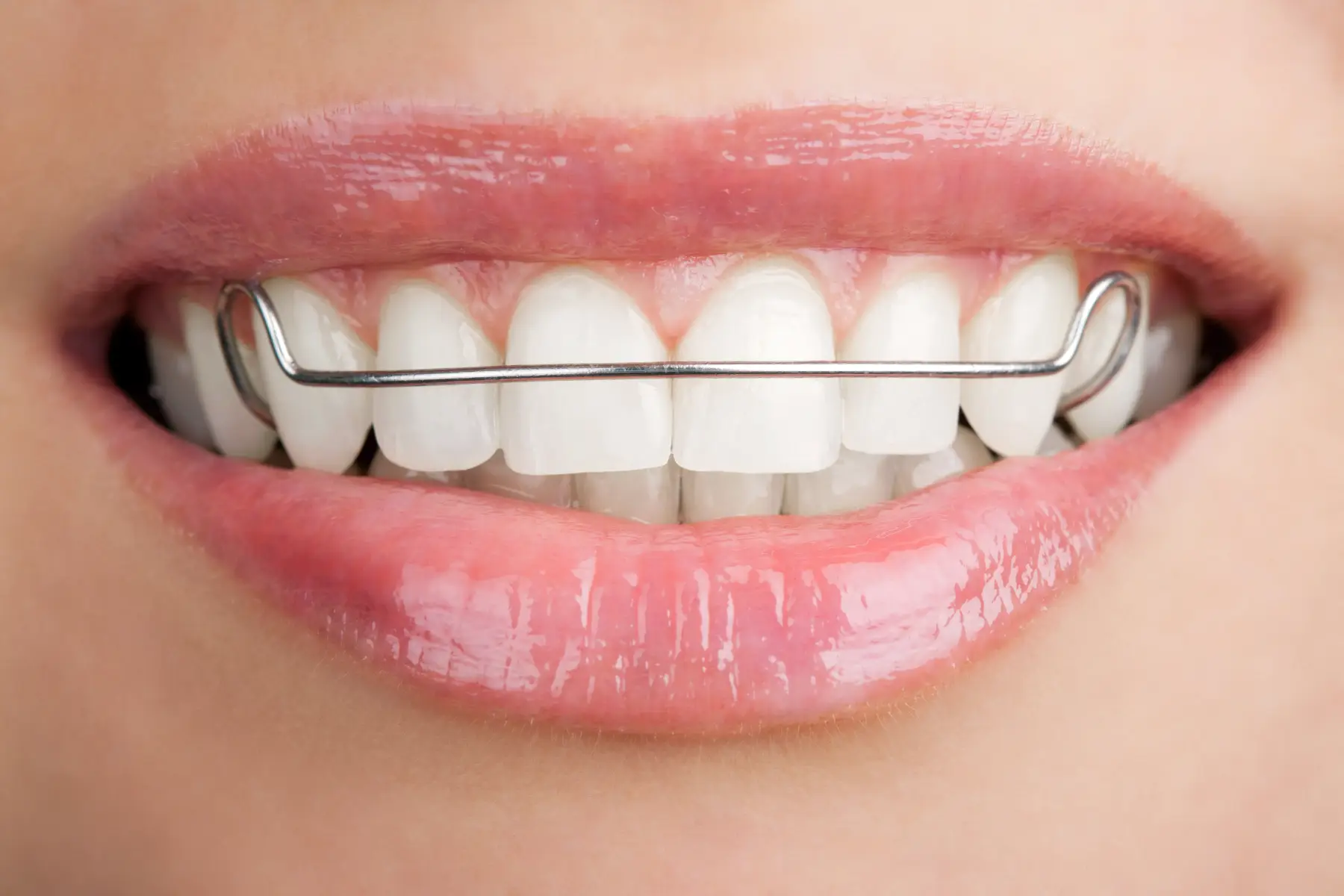
A new retainer can feel tight because it is holding your teeth in their corrected position. Your mouth also has to get used to the shape of the appliance, especially if it touches the roof of your mouth, sits behind your teeth, or has wires near the gums.
This adjustment period can cause mild soreness, extra saliva, slight speech changes, or tender spots. Usually, that discomfort gets better as your mouth adapts. Here’s the thing: “new” does not always mean “wrong.” Sometimes it simply means your mouth is learning how to live with the retainer.
If the retainer was made from a recent scan or impression, the fit should feel secure, not unbearable. Pressure is expected. Pain that feels sharp, uneven, or concentrated in one small area should be checked.
You skipped wearing it and your teeth shifted
One of the most common reasons retainers hurt is skipped wear. Teeth can shift when a retainer is not worn consistently, even if the change is small. When you try to put the retainer back in, it may feel tighter than usual because it is trying to sit over teeth that have moved.
This can feel like pulling, squeezing, or pressure across several teeth. Mild tightness may improve with consistent wear if the retainer still fits fully and safely. But if it does not seat all the way, pops out, bends, or causes sharp pain, do not force it.
Forcing a retainer can put unhealthy pressure on teeth, gums, or dental work. It can also damage the retainer itself. A dentist or orthodontist can tell whether your current retainer is still usable or whether you need a new one.
The retainer is warped, cracked, or bent
Retainers are not indestructible. Clear plastic retainers can warp if exposed to heat, such as hot water, a car dashboard, or improper cleaning methods. Wire retainers can bend if they are dropped, stored without a case, chewed on, or handled roughly.
Even a small change in shape can create pressure points. Suddenly, one tooth may hurt more than the others, or the retainer may rub against your gums, cheeks, or tongue. If you see cracks, rough edges, bent wires, or a distorted shape, stop treating the pain like normal adjustment discomfort.
A damaged retainer can move pressure to the wrong places. It may also fail to hold your teeth correctly, which defeats the purpose of wearing it in the first place.
Dental work or bite changes affected the fit
Retainers are made to match your mouth at a specific moment. If your mouth changes, the retainer may not fit the same way. New fillings, crowns, veneers, implants, bridges, tooth wear, gum changes, or bite changes can all affect how a retainer sits.
This is especially important for adults who have had dental work since their orthodontic treatment. A crown that is slightly different in shape, a veneer that changes tooth contour, or a filling that adjusts your bite can make an old retainer feel uncomfortable.
Pain may also appear if decay, gum inflammation, or tooth sensitivity develops under or near the areas where the retainer applies pressure. In that case, the retainer may not be the only issue. It may simply be drawing attention to a tooth that already needs care.
If your retainer used to feel fine and now hurts suddenly, pay attention. A sudden change in comfort can mean the appliance changed, your teeth shifted, or something in your mouth needs evaluation.
What retainer pain is normal?
Mild tightness, dull soreness, or gentle pressure can be normal when you start wearing a retainer. It may feel most noticeable during the first few hours or after you take the retainer out.
That discomfort should improve with consistent wear. For many people, the adjustment takes a few days to about a week. If the retainer fits fully, does not cut your gums, and the soreness slowly fades, it is usually a sign your mouth is adapting.
What retainer pain is not normal?
Retainer pain is not normal when it feels sharp, severe, or one-sided. It is also not normal if the retainer will not seat all the way, pops out repeatedly, causes bleeding, or creates sores that get worse instead of better.
Watch for these warning signs:
- Sharp pain in one tooth or one area
- Bleeding gums
- Mouth sores that do not improve
- A retainer that looks cracked, bent, or warped
- Pain that lasts more than a week
- Teeth that feel like they are being forced
If any of these happen, stop pushing through the pain. A retainer should feel snug, not harmful.
What to do if your retainer hurts
Wear it as instructed, unless it feels unsafe
If the discomfort is mild and the retainer fits properly, wearing it as directed can help your mouth adjust. Skipping it again may allow more tooth movement, which can make the next wear feel tighter.
However, do not force a retainer that does not seat correctly. If you have to bite down hard to make it fit, or if it causes sharp pain, it is time to get help.
Clean it well
A dirty retainer can collect plaque, bacteria, and odors. That buildup can irritate your gums and make the appliance feel less comfortable.
Clean removable retainers as instructed by your dental provider, and store them in a case when they are not in your mouth. If you have a permanent retainer, clean carefully around the wire because plaque can build up behind the front teeth.
Use short-term comfort steps
For mild soreness, softer foods can make the first few days easier. Cold water rinses may also feel soothing. If a wire or edge is rubbing your cheek or gum, orthodontic wax can help protect the area temporarily.
Over-the-counter pain relief may help some people, but follow the label and avoid it if your doctor has told you not to use it. Pain relief should not become a way to ignore a bad fit.
Schedule an evaluation if pain persists
If retainer pain continues, gets worse, or suddenly appears after months of comfortable wear, schedule an evaluation. The cause may be tooth shifting, a warped retainer, bite changes, decay, gum irritation, or dental work that changed the fit.
A dentist or orthodontist can check whether the retainer needs adjustment, replacement, or whether another dental issue is involved.
When retainer pain may mean you need broader dental care
Sometimes retainer discomfort is not only about the retainer. It can point to changes in your mouth, especially if you have older fillings, crowns, veneers, bridges, implants, missing teeth, or bite changes.
For adults, this matters. A retainer may press on an area where dental work is loose, worn, sensitive, or no longer matching the bite. If you are also noticing tooth pain, gum swelling, sensitivity, or changes in how your teeth meet, the next step should be a real dental review.
For U.S. and Canadian patients comparing treatment options, Cancun Cosmetic Dentistry offers a Free Virtual Diagnostic in less than 24 hours. It can help you start a treatment conversation before traveling, especially if you suspect your retainer pain is connected to crowns, veneers, implants, bridges, or a broader smile restoration.
CCD also supports patients with bilingual communication, clear pricing, state-of-the-art equipment and materials, and airport pickup or shuttle logistics. For many patients, choosing dental care in Cancun means significant savings compared with U.S. prices, along with beaches, hotels, restaurants, and a more comfortable dental vacation experience.
Get clarity before forcing a painful retainer
A painful retainer is not something to guess about. Mild pressure can be normal, but sharp pain, sores, bleeding, or a poor fit should be checked.
Book your Free Virtual Diagnostic with Cancun Cosmetic Dentistry to review your options, request a quote, see prices, or ask about travel and shuttle support.
FAQ
Is it normal for retainers to hurt at first?
Yes, mild pressure or soreness can be normal for a few days. It should slowly improve as your mouth adjusts.
Why does my retainer hurt after not wearing it?
Your teeth may have shifted slightly. If the retainer still fits fully, it may feel tight, but if it does not seat properly, do not force it.
Can I force my retainer back in?
No. Forcing a retainer can hurt your teeth, gums, or dental work. If it will not fit, schedule an evaluation.
How long should retainer pain last?
Mild discomfort should improve within a few days to about a week. Pain that lasts longer should be checked.
Can dental work change how my retainer fits?
Yes. Crowns, veneers, fillings, implants, bridges, and bite changes can affect how a retainer sits in your mouth